
How to Sleep Better
Simple Tips for Restful Nights
Bad sleep has a way of following you around the next day. You feel foggy, snappy, slow, and somehow already tired before the kettle has boiled.
A good night's sleep, on the other hand, helps your body recover, supports your mood, sharpens your focus, and makes daily life feel a little less like pushing through a concrete wall.
If you're wondering how to sleep better, the good news is that small changes can make a big difference. Your routine, bedroom setup, evening habits, and mattress all play a part.
Let's look at how to get better sleep at night and wake up feeling more like yourself.
The Health Benefits of Quality Sleep
Sleep does more than help you feel rested. It gives your body time to recover, reset, and prepare for the next day.
A good night's sleep can support
- Immune health
- Energy levels
- Memory and concentration
- Mood and emotional balance
- Muscle recovery
- Hormone regulation
- Appetite control
- General wellbeing
When you don't get enough sleep, you feel it quickly! You might wake up tired, struggle to focus, crave more caffeine, or feel more irritable than usual. Over time, poor sleep can also affect your physical and mental health.
Occasional bad nights are normal. Life happens. Stress happens. A neighbour's dog goes off at 2 am.
But if poor sleep becomes a regular pattern, it can start to wear you down. Learning how to sleep better is one of the simplest ways to support your health, comfort, and day-to-day routine.
Develop a Healthy Sleep Routine
Your body loves rhythm. A regular bedtime and wake-up time can help your internal body clock settle into a more reliable pattern.
Try going to bed and waking up around the same time each day, even on weekends. You don't need to be perfect. But a steady routine helps your body understand when it is time to wind down and when it's time to wake up.
A good wind-down routine might include
- Dimming the lights in the evening
- Putting your phone away before bed
- Reading something calming
- Taking a warm shower
- Listening to quiet music
- Baking soda
- Stretching gently
- Writing down tomorrow's to-do list
Screens are a big one. Phones, tablets, and laptops can keep your mind switched on when it should be slowing down. Even a quick scroll can turn into 40 minutes of "just one more thing."
If you want to know how to get better sleep, start by making bedtime feel less rushed. Give your mind time to switch off.
Set the Stage for Better Sleep
Your bedroom should feel like a place your body wants to sleep in. Not a storage room, office, laundry pile, and charging station all in one.
A few changes can make your sleep space more comfortable
- Keep the room cool
- Use dim lighting at night
- Block out unwanted light
- Reduce noise where possible
- Choose breathable bedding
- Keep your room tidy and calm
- Make sure your pillow suits your sleep position
Comfort matters too. A lot!
If your mattress is too hard, too soft, too saggy, too hot, or simply past its best, your body may spend the night trying to get comfortable instead of actually resting. You may toss, turn, wake up stiff, or feel pressure through your shoulders, hips, or lower back.
A high-quality mattress can help create a more supportive sleep environment. Mattress Resources Australia offers a range of mattresses designed to support different comfort needs, sleep styles, and body types, helping you build a bed that feels better from the moment you lie down.
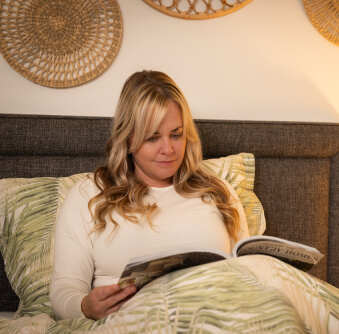
How the Right Mattress Can Transform Your Sleep
Your mattress has one job: to support your body while you sleep. When it does that well, sleep can feel deeper, calmer, and less interrupted.
- Spinal support
- Pressure relief
- Comfort through the shoulders and hips
- Better temperature control
- Less partner disturbance
- Easier movement during the night
- A more settled sleep position
Firmness is important, but it is not as simple as "firmer is better." Some people need extra support. Others need more cushioning. Side sleepers often prefer pressure relief around the shoulders and hips, while back and stomach sleepers may need a more supportive feel to keep the body aligned.
Materials also matter. Some mattresses are designed to improve airflow and reduce heat build-up, which can help if you often wake up feeling too warm. Others focus on support, contouring, or reducing movement transfer.
Mattress Resources Australia offers Australian-made mattresses designed with comfort, support, and better sleep in mind. If you're trying to work out how to have a better sleep, upgrading an old or uncomfortable mattress could be one of the most important changes you make.
Adopting Better Bedtime Habits
- Limit caffeine in the afternoon, especially coffee, tea, soft drinks, energy drinks, and chocolate.
- Go easy on alcohol, as it can affect the quality of your sleep later in the night.
- Exercise during the day where possible, but avoid intense workouts right before bed.
- Keep weekend sleep-ins reasonable, so your routine does not get thrown too far off.
- Try calming activities before bed, such as slow breathing, light stretching, reading, or a warm shower.
Faqs
What Are the Easiest Ways to Sleep Better?
Start with a regular bedtime, less screen time before bed, a cool and quiet room, and a comfortable mattress. Small changes to your routine and sleep space can make a big difference.
Does Exercise Help Improve Sleep Quality?
Yes, regular exercise can help you fall asleep more easily and improve sleep quality. Try to exercise earlier in the day if late workouts leave you feeling too wired.
How Does a Mattress Affect Sleep?
A mattress affects comfort, support, pressure relief, and body alignment. If your mattress is sagging, too firm, too soft, or uncomfortable, it can lead to tossing, turning, and waking up sore.
What Foods Help Promote Better Sleep?
Light, balanced evening meals are best. Some people find foods with magnesium or tryptophan helpful, such as bananas, nuts, oats, yoghurt, or milk. Avoid heavy meals, alcohol, and too much caffeine close to bedtime.
How Long Should I Sleep to Feel Rested?
Most adults need around 7 to 9 hours of sleep each night. The right amount can vary, but you should generally wake up feeling rested, focused, and able to get through the day without relying heavily on caffeine.
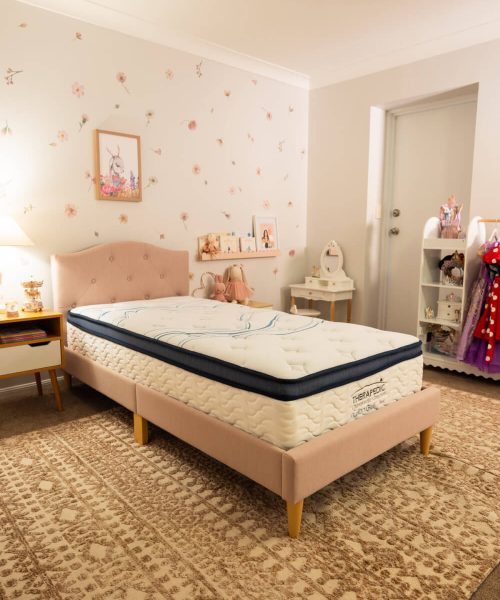
Sleep Better Tonight with Mattress Resources Australia
Better sleep often starts with small, practical changes. A calmer routine, less screen time, a cooler bedroom, and a supportive mattress can all help you feel more comfortable at night and more rested in the morning.
If your mattress is sagging, too warm, or leaving you sore, it may be time to find one that better suits your body and sleep style.
Explore Mattress Resources Australia's mattresses online to compare sizes, comfort levels, and support options for different sleep preferences. Then, fill out the online form or visit your nearest Mattress Resources Australia retailer to take the next step towards better sleep.